The Chokepoint Shock: How Renewed U.S.–Iran Tensions Are Repricing Global Markets
Richard Smith
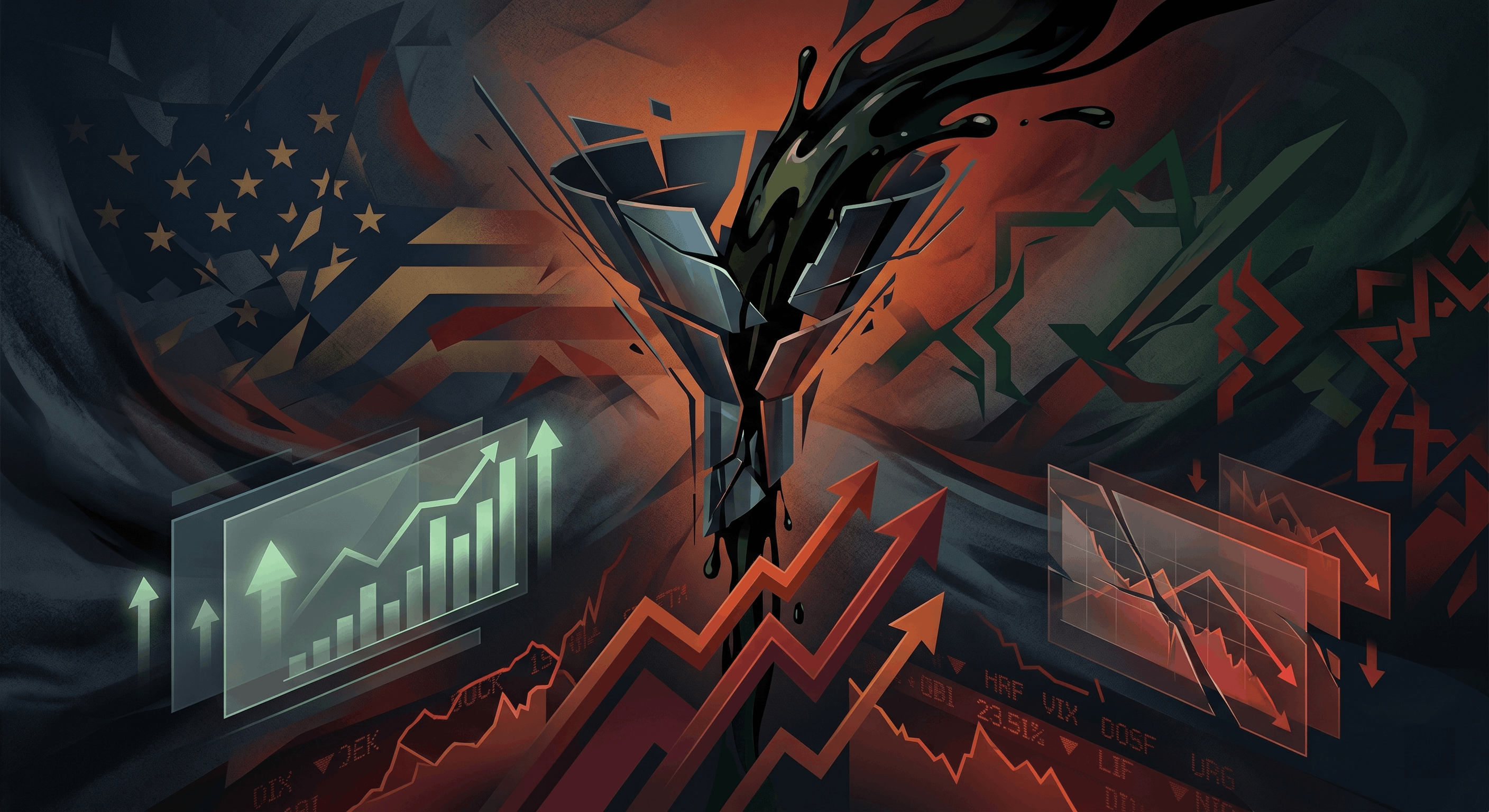
The fragile ceasefire in the Middle East has fractured, and global financial markets are rapidly retreating from last week’s record highs. As the U.S.–Iran standoff deepens, the geopolitical risk premium is back with a vengeance.
The Catalyst: An Imperiled Strait
The Strait of Hormuz is the central artery of the global energy market, historically processing roughly 20% of the world’s oil and liquefied natural gas (LNG) supply. The renewed closure threats and live hostilities—including attacks on merchant ships and the halting of over 150 tankers near the strait—have immediately strangled supply chains.
"The problem for markets is not the absence of hope; it is the overpricing of it. Physical oil flows remain constrained by disrupted routes, longer voyage times, and skyrocketing freight and insurance costs." This physical bottleneck is forcing traders to abandon the "soft landing" narrative and pivot toward capital preservation.
Markets Affected: The Domino Effect
The fallout from the escalating conflict is bifurcating the market, creating distinct winners in defensive and commodity sectors while severely pressuring risk-on assets.
1. Commodities: The Oil Price Surge
The most immediate and aggressive reaction has materialized in the energy markets. The prospect of 10 to 11 million barrels per day of crude oil remaining shut-in has triggered a massive supply shock.
Brent Crude: The international benchmark has spiked significantly, surging past $95 a barrel and reversing the price drops seen during the brief ceasefire.
West Texas Intermediate (WTI): U.S. crude has mirrored this rally, rocketing past $87 a barrel.
Impact: Analysts project that if the strait remains impassable, oil could swiftly breach the $100 mark, sustaining upward pressure on prices through the remainder of the year.
2. Equities: Broad Market Pullbacks
The record-high rally that equities enjoyed just days ago has abruptly stalled. Investors are aggressively repricing risk, pulling capital from growth-oriented and risk-on assets.
U.S. Indices: The S&P 500, Dow Jones Industrial Average, and Nasdaq Composite have all slipped from their all-time highs. The enthusiasm that drove the broader market has been extinguished by fears of imported inflation and supply chain gridlock.
Global Markets: Asian and European markets are bracing for turbulence. Countries heavily reliant on Middle Eastern oil imports—particularly China, Japan, and India—are facing outsized exposure to the energy crunch.
3. Sector Winners: Energy and Defense
While the broader market bleeds, capital is rotating rapidly into traditional safe havens and conflict-adjacent beneficiaries.
Energy Stocks: Upstream exploration and production (E&P) companies, along with major integrated oil firms, are catching a massive bid as their underlying commodity prices soar. Furthermore, strong oil trading margins are helping cushion broader operational disruptions for energy majors.
Defense Names: Aerospace and defense contractors are outperforming the broader market. The intensification of military operations, naval blockades, and the deployment of advanced maritime weaponry are driving expectations for sustained government defense spending.
4. Sector Losers: Transports and Consumer Discretionary
The sharp rise in crude is a direct tax on fuel-heavy industries and the everyday consumer.
Airlines & Shipping: Transport stocks are taking a severe hit. Major airlines are already forecasting multibillion-dollar fuel headwinds for the upcoming quarters, prompting capacity cuts and fare hikes. Meanwhile, shipping conglomerates are facing skyrocketing insurance premiums and massive delays from rerouting around the Cape of Good Hope.
Consumer Discretionary: Higher pain at the pump threatens to erode consumer spending power, raising red flags for retail and discretionary sectors that rely on robust consumer confidence.
The Macro Outlook: Inflationary Headwinds
Beyond the immediate price action, the most significant risk is macroeconomic. A sustained oil shock threatens to reignite sticky inflation, placing central banks in a highly precarious position. If energy-driven inflation forces the Federal Reserve to reconsider its interest rate trajectory, the equity market's record-high rally may be remembered as the peak of the current cycle.